Flower Bed Creation in Hayes: Beautiful Outdoor Spaces That Thrive All Year
Creating a vibrant garden starts with thoughtful flower bed creation in Hayes, where local conditions, style preferences, and planting choices all work together to shape a space that looks attractive and performs well over time. Whether you want a neat front garden feature, a pollinator-friendly border, or a statement planting scheme that elevates your property, the right approach to flower bed creation in Hayes can make a dramatic difference. With proper planning, soil preparation, and plant selection, even a small area can become a standout landscape feature.
Hayes gardens often face a mix of urban conditions, changing light levels, compacted soil, and periods of dry weather followed by heavy rain. That means successful flower bed creation in Hayes is not just about choosing pretty flowers; it is about designing a planting area that suits the site, supports healthy roots, and delivers long-lasting seasonal interest. From traditional cottage-style borders to modern low-maintenance beds, the best results come from combining design and practicality.
For homeowners, landlords, and businesses alike, a well-planned flower bed can improve kerb appeal, soften hard landscaping, and create a more welcoming atmosphere. When done properly, flower bed creation in Hayes is also an investment in biodiversity, as the right mix of plants can attract bees, butterflies, and other beneficial wildlife. In this article, we explore the key stages, design ideas, and maintenance tips that help flower beds look their best in Hayes throughout the year.
Why Flower Bed Creation in Hayes Matters
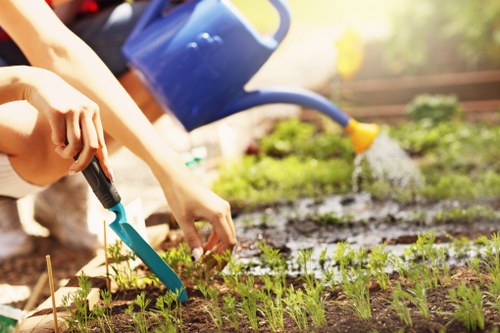
Flower beds do far more than add colour. They define spaces, create structure, and help a garden feel complete. In a busy area like Hayes, where many properties include paved areas, boundary walls, or compact outdoor spaces, carefully planned planting can transform a plain exterior into an inviting retreat. This is one reason flower bed creation in Hayes is increasingly popular among homeowners who want style without losing function.
A flower bed can also improve the balance of a garden by introducing layers of height, texture, and seasonal variation. A well-designed border may feature evergreen shrubs, flowering perennials, and seasonal bedding plants, ensuring the space remains attractive even when one type of plant is not at its peak. The result is a dynamic landscape that feels alive rather than static.
Another advantage of flower bed creation in Hayes is flexibility. Beds can be designed to suit narrow front gardens, larger back gardens, patio edges, driveway borders, or commercial entrance areas. They can be curved, rectangular, raised, or tiered depending on the available space. This adaptability makes them suitable for almost any property type, from newer homes to older terraces and detached houses.
Planning a Flower Bed for Hayes Conditions
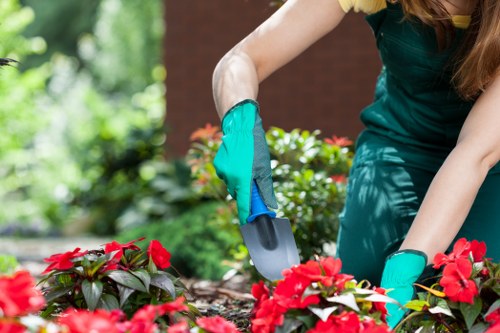
Before planting begins, careful planning is essential. The most successful flower bed creation in Hayes projects start with a close look at the site. Consider how much sunlight the area receives, whether it is sheltered or exposed, how water drains after rain, and what the surrounding features look like. These details influence the design as well as the plants that will thrive in the long term.
Sunlight is especially important. Some gardens in Hayes receive full sun for much of the day, while others are shaded by buildings, fences, or mature trees. A sunny bed supports lavender, salvia, roses, and other flowering plants that need plenty of light. Shadier beds may suit hostas, heucheras, hydrangeas, and ferns. Matching plants to conditions is one of the most important parts of successful flower bed creation in Hayes.
It also helps to think about the overall purpose of the bed. Do you want bright colour, low maintenance, year-round structure, or wildlife value? A clear aim makes design decisions easier. For example, a family garden might focus on easy-care perennials and hardy shrubs, while a front garden may require a neat, elegant layout with consistent colour and strong visual impact.
Key Site Factors to Assess
- Light levels: full sun, partial shade, or deep shade
- Soil type: clay, sandy, loamy, or compacted urban soil
- Drainage: whether water gathers after heavy rain
- Exposure: windy, sheltered, hot, or frost-prone locations
- Available space: narrow, shallow, wide, or irregular shapes
Preparing the Ground for Long-Lasting Results
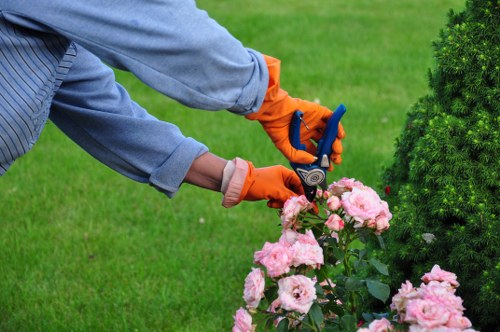
Good preparation is the foundation of every successful flower bed. In many Hayes gardens, existing ground may be compacted from foot traffic, dominated by weeds, or lacking in organic matter. Proper soil preparation helps roots establish quickly and ensures your plants have the nutrients and moisture they need. Without this step, even the most attractive planting scheme may struggle to perform.
Start by clearing the area of weeds, debris, and any leftover turf. If the bed is being created from scratch, outline the shape clearly using a hose, string line, or spray marker. This is also the stage to decide whether the bed will sit at ground level or be raised slightly for visual interest and improved drainage. Many flower bed creation in Hayes projects benefit from a subtle raised edge, especially where soil is poor or where better definition is needed.
Next, improve the soil by digging in compost, well-rotted manure, or quality topsoil depending on the condition of the ground. This boosts fertility and structure while helping roots spread more easily. In heavier soils, organic matter improves drainage; in lighter soils, it helps retain moisture. A well-prepared bed gives your plants the best possible start and supports healthier growth over time.
Helpful preparation steps include:
- Remove all weeds and roots carefully.
- Loosen compacted ground with a fork or spade.
- Add compost or organic matter to enrich the soil.
- Level and shape the bed for proper drainage.
- Mulch after planting to reduce weeds and retain moisture.
Why Soil Quality Makes a Difference
Healthy soil encourages stronger root systems, which means better flowering and more resilient plants. In flower bed creation in Hayes, this matters because urban soils are often depleted or disturbed. A nutrient-rich, well-structured bed can reduce maintenance needs and make watering more efficient, which is especially useful during dry spells.
Choosing Plants for Flower Bed Creation in Hayes
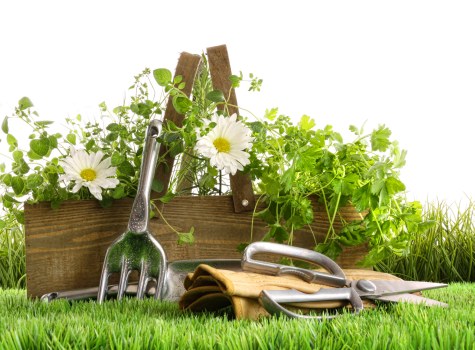
Plant selection is where a flower bed really starts to come to life. The best choices balance visual appeal with practical suitability. For flower bed creation in Hayes, it is wise to include a mix of perennials, shrubs, annuals, and perhaps a few grasses or architectural plants for structure. This combination creates interest across multiple seasons and avoids the flat appearance that can happen when only one type of plant is used.
Perennials are often a strong starting point because they return each year and form the backbone of the bed. Popular options include echinacea, geraniums, alchemilla, nepeta, and daylilies. Shrubs such as hydrangea, choisya, and hebes add volume and stability. Seasonal bedding plants like pansies, petunias, and begonias can then fill gaps and provide bursts of colour when needed. These layers create a richer and more balanced planting scheme.
When planning flower bed creation in Hayes, it is also wise to consider flowering times. By combining spring bulbs, summer perennials, and autumn-interest plants, you can maintain colour from early in the year to the first frosts. Evergreens and grasses help the bed remain attractive in winter, preventing it from looking empty or neglected. This is especially valuable in front gardens and highly visible spaces.
Planting Ideas by Style
- Modern beds: ornamental grasses, lavender, alliums, salvia, and clipped shrubs
- Cottage-style beds: foxgloves, roses, delphiniums, daisies, and hardy geraniums
- Low-maintenance beds: heuchera, evergreen shrubs, sedum, and mulch-heavy layouts
- Wildlife-friendly beds: verbena, echinacea, buddleia, catmint, and pollinator plants
It is best to avoid overcrowding. Many people make the mistake of planting too densely, only to find the bed becomes congested and harder to manage. Good flower bed creation in Hayes gives each plant enough room to mature while still creating a full and attractive look.
Design Principles That Improve Visual Impact

A successful flower bed should look intentional, not random. The layout, colour palette, and plant heights all contribute to the final effect. In Hayes gardens, where outdoor space may need to complement brickwork, fencing, driveways, or patio areas, design choices should reflect the style of the property. Thoughtful flower bed creation in Hayes takes these surroundings into account and uses planting to create harmony.
One useful principle is repetition. Repeating certain plants or colours across the bed creates rhythm and cohesion. Another is layering, with taller plants at the back or centre, medium-height plants in the middle, and low-growing varieties at the front. This makes the bed easier to view and ensures every plant contributes to the overall arrangement. Curved borders often feel softer and more natural, while straight edges offer a formal appearance.
Colour selection also matters. Bright combinations like red, orange, and yellow create energy, while cooler tones such as blue, purple, and silver feel calm and elegant. Many modern flower bed creation in Hayes projects use a restrained palette for a more sophisticated result. However, there is no single correct approach; the key is to choose colours that suit the property and the desired atmosphere.
Design Tips for Better Balance
- Use odd numbers of plants for a more natural look.
- Mix textures to avoid a flat appearance.
- Include evergreen plants for winter structure.
- Allow gaps for future growth and airflow.
- Match plant size to the width and depth of the bed.
Flower bed creation in Hayes can also benefit from edging materials such as brick, stone, timber, or metal. These not only define the bed neatly but also help prevent grass from spreading into the planting area. A crisp edge can make even a simple flower bed look polished and professional.
Watering, Mulching, and Ongoing Care
Once the bed is planted, the work is not over. The first few weeks are particularly important, as new plants need regular watering to establish roots. In dry weather, deep watering is usually better than frequent shallow watering because it encourages roots to grow downward. This approach is especially beneficial in flower bed creation in Hayes, where summer heat can place stress on young plants.
Mulching is another valuable part of maintenance. A layer of bark, compost, gravel, or decorative mulch helps retain moisture, suppress weeds, and improve the appearance of the bed. It also protects soil from temperature extremes. Applying mulch after planting is a simple way to support long-term plant health and reduce the time spent weeding and watering.
Routine care keeps the bed looking fresh. Deadheading spent flowers encourages more blooms, while pruning shrubs at the right time maintains shape and vigour. Feeding plants during the growing season may also be helpful, depending on the species used. A well-managed bed will reward you with stronger growth, better colour, and a cleaner overall appearance.
Seasonal Maintenance Checklist
- Spring: clear debris, feed soil, and plant seasonal colour
- Summer: water deeply, deadhead flowers, and control weeds
- Autumn: cut back tired growth and refresh mulch
- Winter: protect tender plants and maintain structure with evergreens
Low-Maintenance Flower Bed Creation in Hayes
Not every garden owner wants a high-input planting scheme. Many people prefer a low-maintenance option that still looks attractive throughout the year. Fortunately, flower bed creation in Hayes can be tailored to suit busy lifestyles. The key is choosing hardy, dependable plants and designing the bed in a way that reduces unnecessary work.
Low-maintenance beds usually include drought-tolerant plants, evergreen structure, and reliable perennials that need limited pruning. Ground cover plants can help reduce weeding, while generous mulching limits moisture loss and keeps the space tidy. Simple layouts are often best for easy upkeep, because they are quicker to manage and less likely to become overcrowded.
Some of the most practical planting choices include lavender, ornamental grasses, salvia, bergenia, and evergreen shrubs. These plants offer texture and interest without demanding constant attention. For homeowners who want a stylish but manageable result, this style of flower bed creation in Hayes can be an excellent solution.
Wildlife-Friendly Planting in Hayes Gardens
More gardeners are looking for ways to support wildlife while improving their outdoor spaces. A flower bed can do both. Pollinator-friendly flower bed creation in Hayes brings benefits to bees, butterflies, hoverflies, and birds, while also making the garden feel more vibrant and natural. The right plants can supply nectar, pollen, shelter, and seasonal interest all in one design.
Native and nectar-rich flowers are especially useful. Examples include lavender, verbena, cornflower, buddleia, and echinacea. Adding a mix of flowering times means pollinators can find food for longer periods. Small shrubs and grasses also provide shelter and nesting opportunities. Even a modest bed can make a meaningful contribution to local biodiversity.
Water is another helpful feature. A shallow birdbath or a damp corner with appropriate planting can support a wider range of wildlife. When combined with thoughtful flower bed creation in Hayes, these features create a garden that is both attractive and ecologically valuable.
Best Practices for a Wildlife-Friendly Bed
- Choose single-flowered varieties where possible.
- Plant in groups to make flowers easier to find.
- Avoid excessive pesticide use.
- Leave some seed heads for winter feeding.
- Mix native and ornamental plants for variety.
Common Mistakes to Avoid
Even with good intentions, some flower beds fail because of avoidable errors. One of the most common issues in flower bed creation in Hayes is poor plant choice. Plants that look attractive in the nursery may not suit local soil, light, or drainage conditions. Choosing the wrong species can lead to weak growth, patchy flowering, or ongoing replacement costs.
Another mistake is failing to plan for mature size. Small plants often grow much larger than expected, and beds can quickly become crowded if spacing is not considered. Poor spacing reduces air circulation and can encourage pests or disease. It is better to allow for growth from the start than to overcrowd the bed and try to correct it later.
Finally, some gardeners underestimate the importance of maintenance. Even the best flower bed creation in Hayes will need occasional attention. Skipping watering during establishment, ignoring weeds, or neglecting seasonal pruning can quickly reduce the quality of the display. A little regular care keeps the bed attractive and healthy for much longer.
How Professional Flower Bed Creation in Hayes Adds Value
Professional planting services bring knowledge, speed, and precision to the process. When you want a polished result, expert flower bed creation in Hayes can save time while improving the overall finish. Professionals can assess the site, recommend suitable plants, source quality materials, and build a layout that works in both the short and long term.
This can be particularly useful for commercial properties, rental homes, or busy households where presentation matters. A professionally created bed can improve first impressions, support property value, and reduce future maintenance demands. The right planting plan also avoids costly trial and error, especially where drainage, shade, or soil quality present challenges.
For many property owners, the real advantage is confidence. Rather than guessing which plants will work, they can rely on a tailored solution designed for the specific location. That is why flower bed creation in Hayes continues to be a practical and appealing choice for both small and large gardens.
Benefits of Professional Installation
- Tailored planting plans for local conditions
- Improved soil preparation and structure
- Better plant combinations and visual balance
- Faster completion with a cleaner finish
- Long-term support for plant health and maintenance
Conclusion: Start Your Flower Bed Creation in Hayes with Confidence
Whether you want a colourful front garden, a low-maintenance border, or a wildlife-friendly planting area, flower bed creation in Hayes offers a versatile way to enhance your outdoor space. With the right planning, soil preparation, plant selection, and maintenance, a flower bed can provide beauty and structure across all seasons. It can also improve kerb appeal, support local wildlife, and make your garden feel more welcoming and complete.
The key is to treat the bed as both a design feature and a living system. When plants are matched to the site and supported with proper care, they will reward you with healthier growth and better performance. From small urban spaces to larger garden borders, flower bed creation in Hayes can be adapted to suit many different goals and property styles.
If you are ready to improve your garden and create a space that feels fresh, colourful, and well-balanced, now is the perfect time to take the next step. Contact us today to discuss your ideas, or book your service now and bring your planting vision to life. A carefully planned flower bed can transform the look and feel of your Hayes property for years to come.

