Recycling and Sustainability for Landscapers Hayes
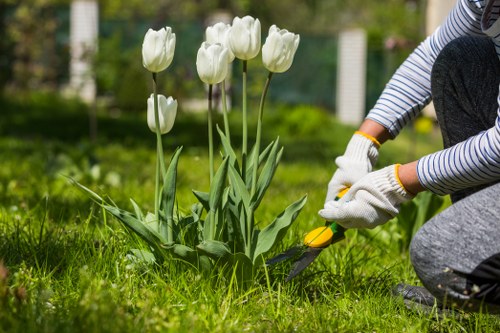 At Landscapers Hayes, sustainability is built into every stage of our green waste handling, site clearance, and garden maintenance work. We focus on creating an eco-friendly waste disposal area process that keeps reusable materials in circulation and sends only the smallest practical amount to landfill. By sorting carefully at source and using responsible local facilities, our landscaping recycling service supports cleaner neighbourhoods, lower emissions, and a more circular approach to outdoor project waste.
Our sustainable rubbish area approach begins with separation. Green cuttings, soil, timber, plastic plant pots, metal fixtures, and inert rubble are assessed so each material can follow the most appropriate route. This helps improve recycling efficiency and supports local borough aims for better waste segregation. In areas where councils encourage mixed dry recycling versus green bin separation, we align our collection methods to reduce contamination and boost recovery rates.
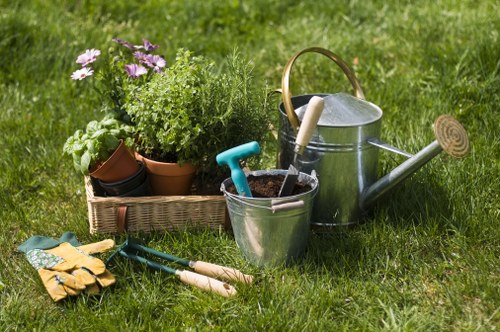 We work with a clear recycling percentage target across our waste operations, aiming to divert at least 90% of suitable material away from landfill through reuse, recycling, or specialist recovery. That target guides how we handle everything from hedge trimmings to broken fencing and old garden features. It also keeps our landscaping waste disposal services aligned with wider environmental goals, especially where projects create multiple waste streams at once.
Local transfer stations play an important role in our recycling process. By using nearby authorised facilities, we reduce journey times and help keep the overall carbon footprint lower than longer-haul disposal routes. These stations are used for sorting and transferring materials such as green waste, soil, aggregates, and recyclable metals before they move on to specialist processors. This local-first system supports both efficient handling and more responsible materials management for our sustainable waste area.
Where possible, we prioritise reuse before recycling. Timber that is still in workable condition may be directed to recovery streams, while suitable stone, bricks, and paving offcuts can sometimes be separated for aggregate processing. In boroughs with strict waste separation standards, this careful handling helps ensure recyclable loads are not rejected. It also reduces the need for virgin materials, making our eco landscaping waste service a practical choice for environmentally conscious projects.
 We also support local communities through partnerships with charities. Items from site clearances that are still usable, such as garden furniture, plant containers, hand tools, or decorative materials, may be set aside for charitable reuse where appropriate. These partnerships help extend the life of useful goods, support local causes, and reduce unnecessary disposal. For clients, this means a recycling-led landscaping clearance process that benefits both people and the planet.
Our transport choices are just as important as our disposal methods. We operate low-carbon vans designed to reduce fuel use and emissions on local journeys. These vehicles are maintained for efficiency and planned carefully to avoid unnecessary trips, helping our landscaping teams move materials responsibly across Hayes and surrounding areas. Using lower-emission transport supports our wider commitment to greener operations and quieter, cleaner streets.
When handling green waste, we separate grass, leaves, branches, and hedge cuttings so they can be directed to composting or biomass recovery where available. This approach mirrors the waste separation priorities seen across local boroughs, where clean segregation increases the chance of successful recycling. Soil and inert waste are also sorted with care, making it easier for authorised facilities to process them correctly and keeping our rubbish recycling area efficient and compliant.
Our sustainability strategy goes beyond disposal. We choose durable tools, minimise single-use materials, and plan jobs to reduce avoidable waste from the outset. In practice, that means less packaging, smarter load planning, and more thoughtful material handling. For landscaping clients, this creates a recycling-friendly waste disposal system that is both practical and environmentally responsible.
 Another key part of our environmental approach is contamination control. We make sure recyclable materials are kept free from food waste, paints, oils, and other unsuitable substances that can prevent recovery. This is especially important for mixed landscaping projects where wood, metal, soil, and plant waste may be generated together. Careful separation at the point of collection helps preserve material quality and improves the success of our sustainable rubbish area workflow.
We also encourage reuse within landscaping itself. Clean topsoil can sometimes be retained for regrading, suitable chipped branches may be repurposed as mulch, and healthy plant matter can be directed towards composting streams. These small but important choices reduce pressure on local disposal infrastructure and help support circular outcomes. They also complement the borough-level emphasis on sorting waste into clear categories for treatment and recovery.
Landscapers Hayes is committed to evolving our recycling practices as local regulations, facility options, and environmental standards improve. By combining responsible transfer station use, charitable reuse, low-carbon vans, and a strong recycling target, we deliver a greener service that reflects modern expectations. Our eco-friendly waste disposal area methods are designed to keep valuable materials moving and to reduce the environmental burden of outdoor work.
 In the end, sustainability is not an extra feature of our service; it is the foundation of how we work. From separating green waste and recyclable rubble to supporting charities and choosing cleaner vehicles, every step is designed to reduce waste and improve recovery. For anyone looking for a recycling-focused landscaper in Hayes, our approach offers a practical balance of efficiency, responsibility, and environmental care.
By maintaining a strong landscaping recycling system, we help ensure that garden and site waste are treated as resources rather than rubbish. That means fewer emissions, lower landfill use, and a better outcome for local communities. Our eco-friendly waste disposal area standards and sustainable rubbish area practices continue to guide every project we take on.

